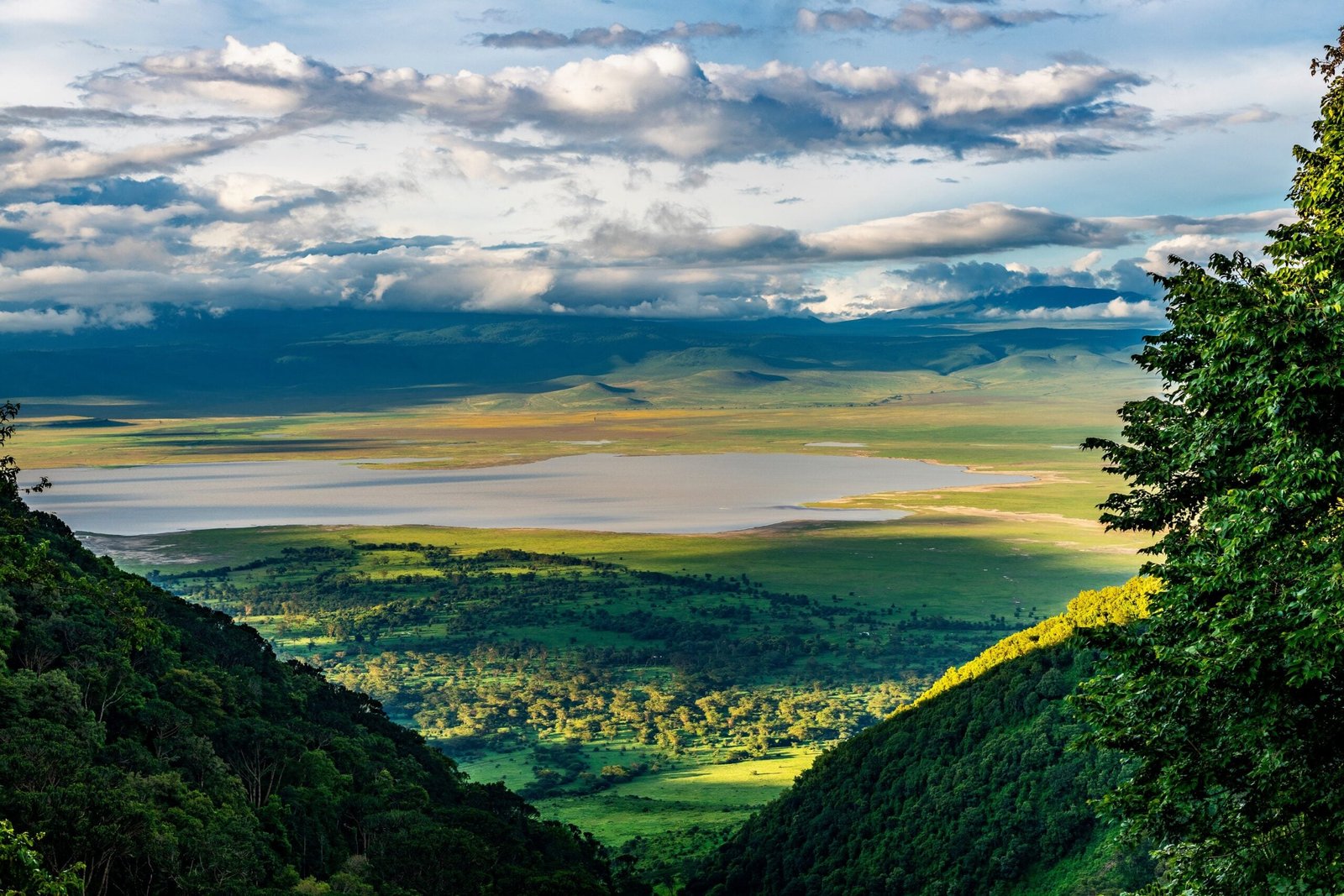

The Ngorongoro Crater is one of Africa’s most iconic natural landmarks, located within the Ngorongoro Conservation Area. Formed millions of years ago when a massive volcano collapsed, the crater is the world’s largest intact volcanic caldera, spanning approximately 260 square kilometers. Its towering walls rise dramatically around a diverse ecosystem, creating a natural enclosure that supports an incredible concentration of wildlife.
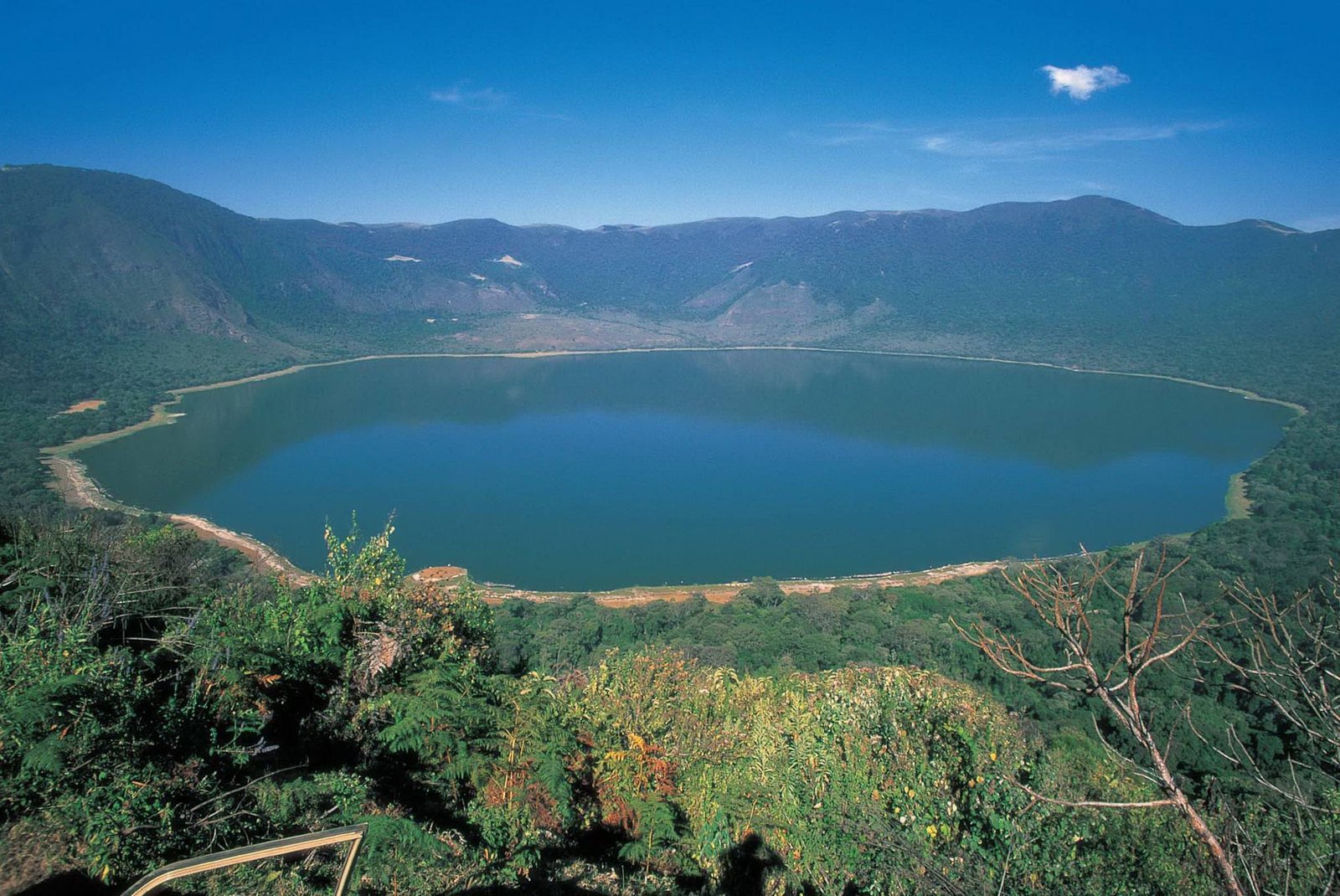
Inside the crater, the landscape varies from open grasslands and acacia forests to swamps, freshwater springs, and the alkaline Lake Magadi. This unique combination of habitats ensures a rich and ever-changing environment that remains green for much of the year. The views from the crater rim are breathtaking, offering panoramic scenes that are among the most photographed in Tanzania.
Wildlife & The Big Five Experience
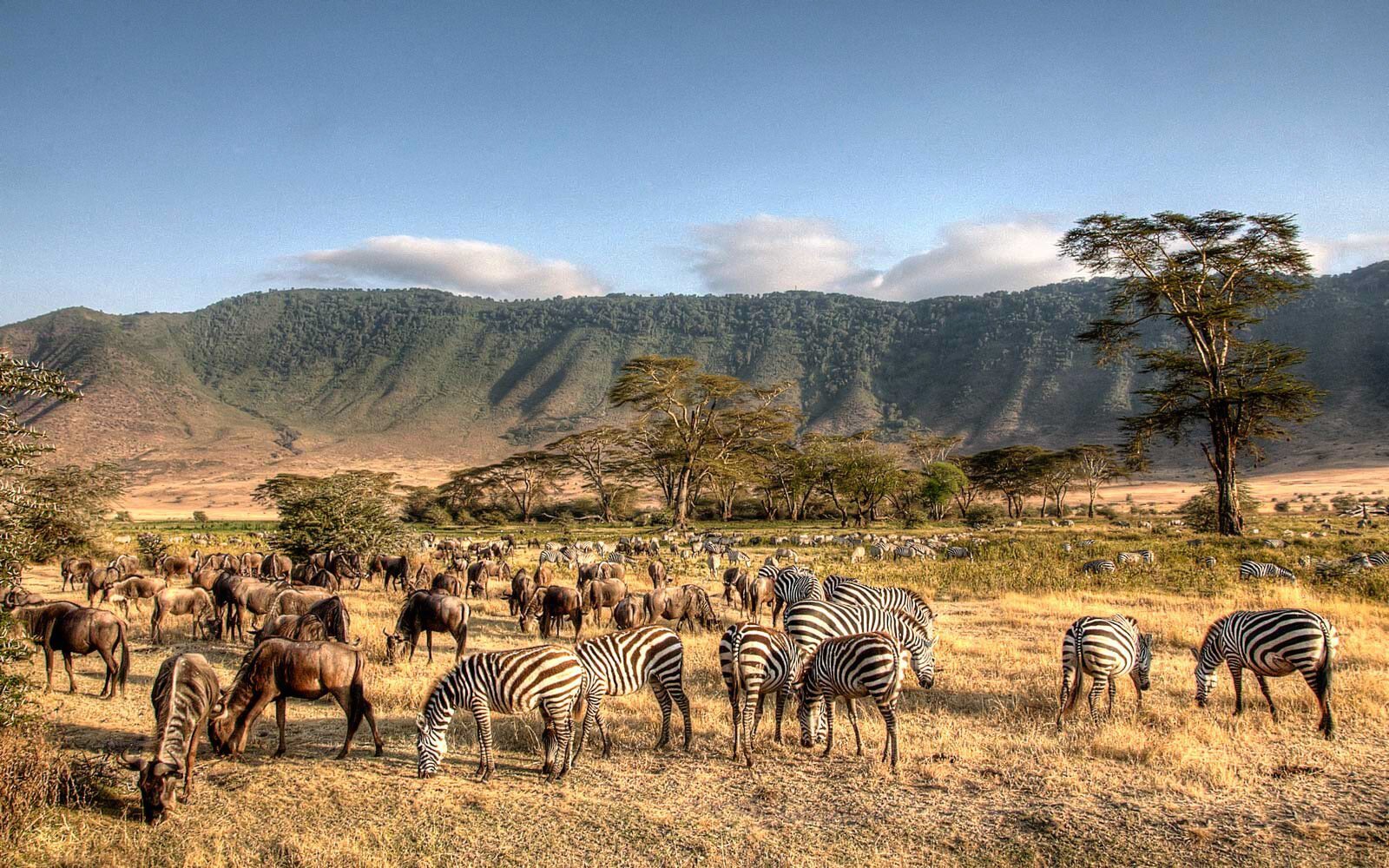
Ngorongoro Crater is often referred to as one of the best places in Africa to see the Big Five in a single day. The enclosed nature of the crater supports a high density of wildlife, including lions, elephants, buffaloes, and a small but significant population of critically endangered black rhinos. Leopards are more elusive but can occasionally be spotted in the forested areas.
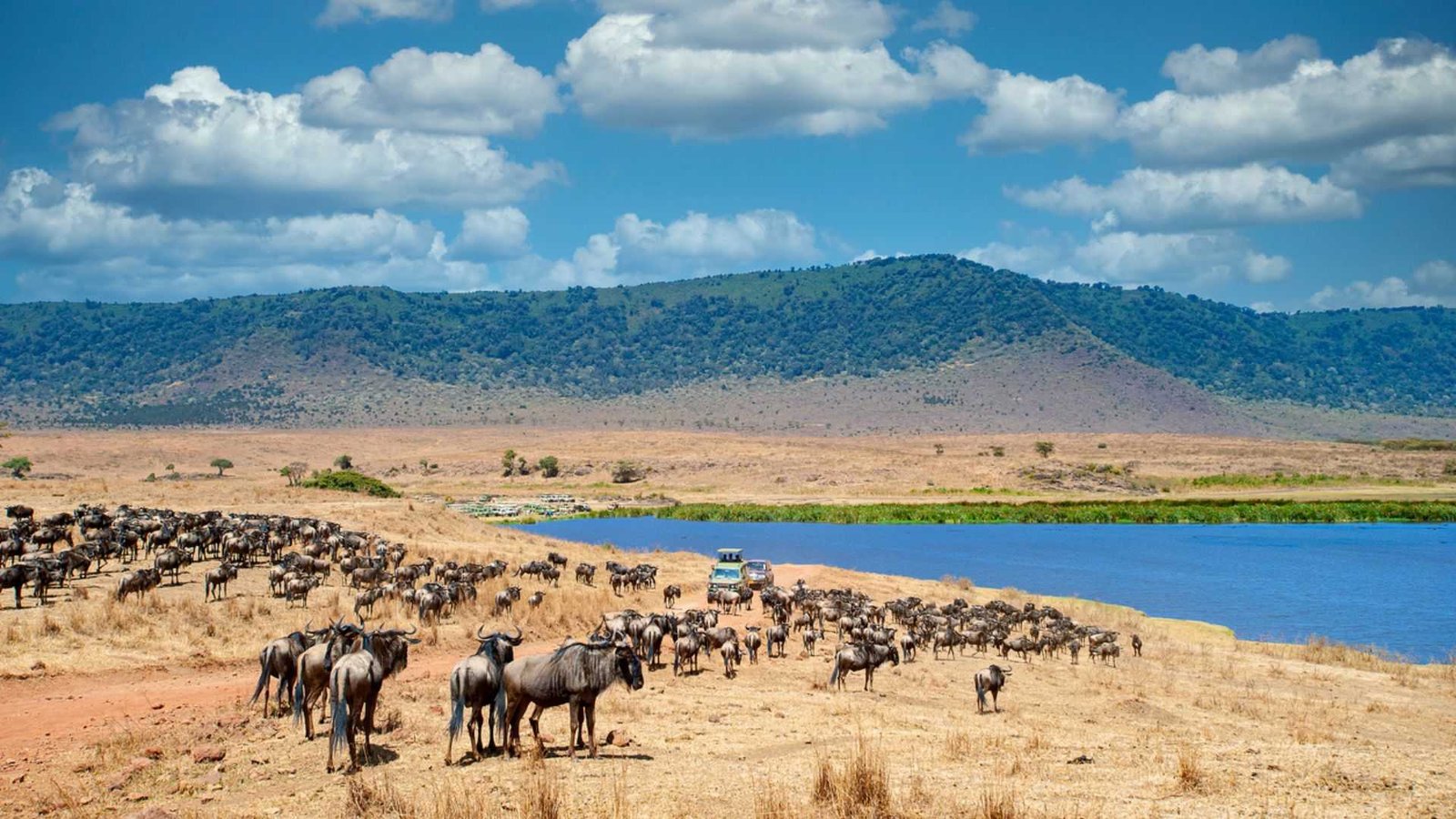
The crater floor is also home to large herds of wildebeest, zebras, and gazelles, which in turn attract predators such as lions and hyenas. Hippos can be found in the permanent water sources, while flamingos often gather along the shores of Lake Magadi. This abundance of wildlife, combined with relatively easy game viewing, makes Ngorongoro an exceptional safari destination for both first-time and experienced travelers.
Cultural Significance & Travel Experience
Beyond its natural beauty, the Ngorongoro Conservation Area is a unique place where wildlife and human communities coexist. The Maasai people continue to live and graze their livestock in the surrounding highlands, maintaining their traditional way of life. Visitors often have the opportunity to learn about Maasai culture, adding a meaningful cultural dimension to the safari experience.
A visit to Ngorongoro Crater is typically part of Tanzania’s Northern Circuit, often combined with Serengeti National Park, Lake Manyara National Park, or Tarangire National Park. Whether descending into the crater for a game drive or enjoying the spectacular views from the rim, the experience is both dramatic and unforgettable.