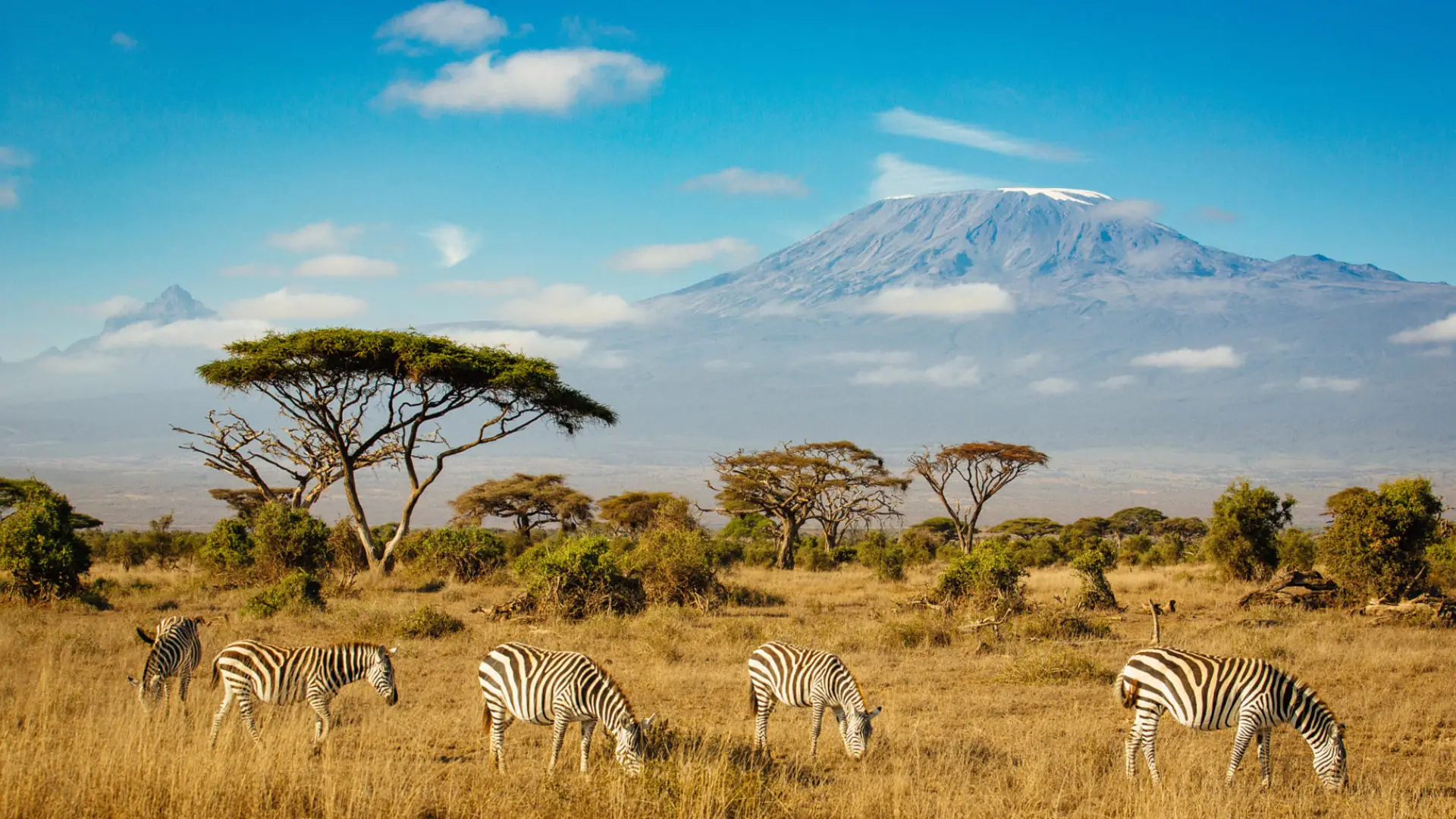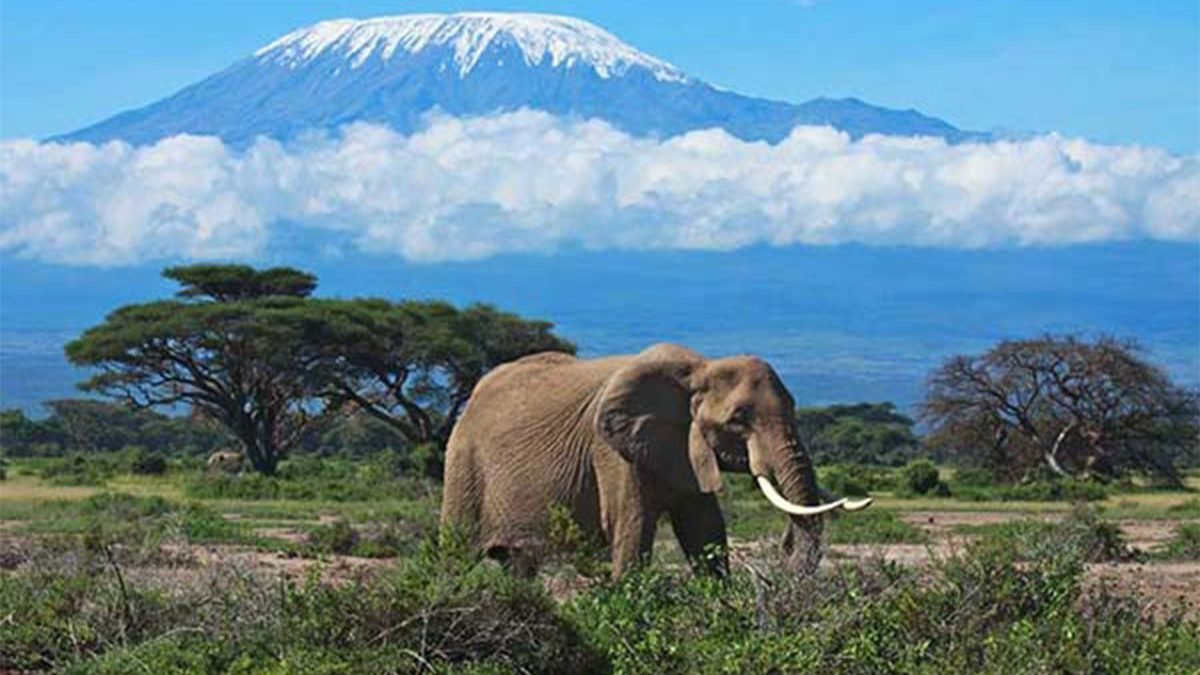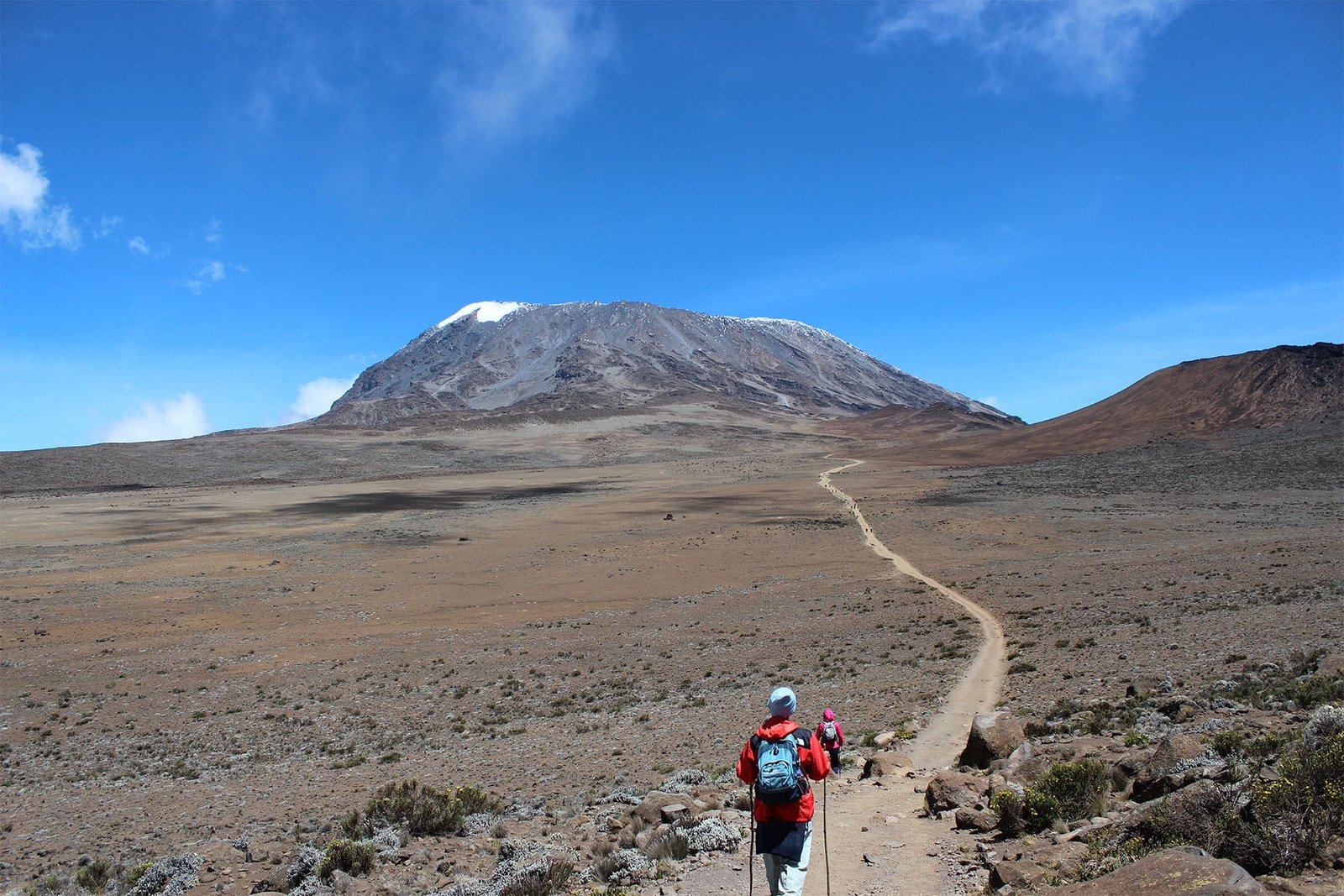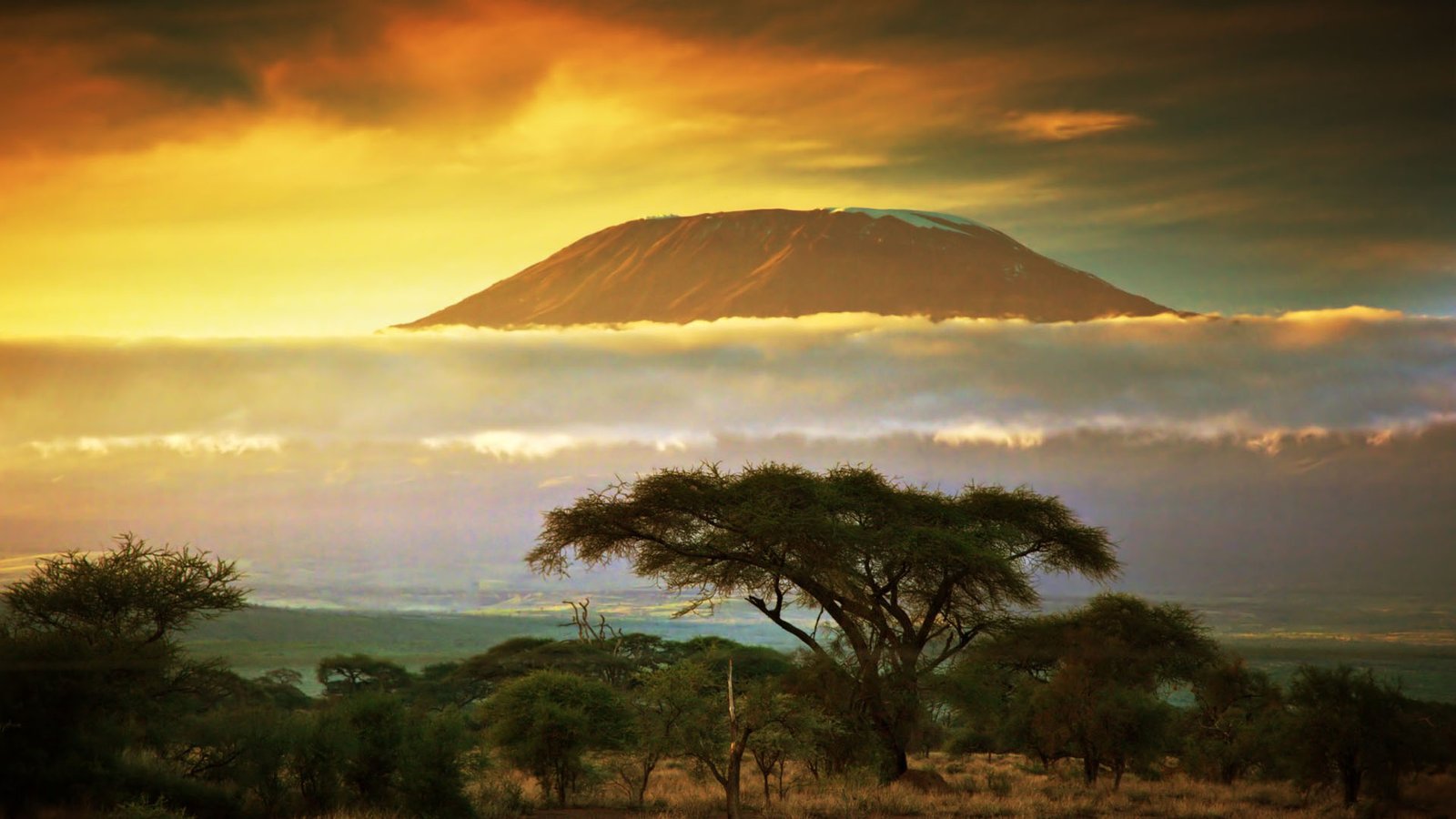

Kilimanjaro National Park is home to the iconic Mount Kilimanjaro, the tallest mountain in Africa and one of the world’s most trekking destinations. Rising to 5,895 meters above sea level, this free-standing volcanic mountain dominates the surrounding plains and offers an unforgettable visual spectacle. The park’s landscape is incredibly diverse, ranging from cultivated foothills to dense rainforests, alpine meadows, and finally the snow-capped summit of Uhuru Peak.
As climbers ascend, they pass through multiple ecological zones, each with its own unique climate and vegetation. Giant lobelias, senecio plants, and mist-covered forests create a surreal environment unlike anywhere else in Tanzania. This dramatic transition of landscapes makes Kilimanjaro not just a climb, but a journey through different worlds in a matter of days.
Climbing Experience & Adventure
Climbing Mount Kilimanjaro is a once-in-a-lifetime adventure that attracts trekkers from all over the globe. Unlike many high-altitude peaks, Kilimanjaro can be climbed without technical mountaineering skills, making it accessible to determined hikers with proper preparation. Popular routes such as Machame, Marangu, and Lemosho offer varying levels of difficulty, scenery, and acclimatization profiles.
The trek typically takes between 5 to 9 days, allowing climbers to adjust to the altitude while enjoying breathtaking views along the way. Reaching Uhuru Peak at sunrise is the highlight of the journey, where climbers are rewarded with panoramic views above the clouds. The sense of achievement, combined with the raw beauty of the mountain, makes this one of the most rewarding adventures in Africa.
Wildlife, Culture & Surroundings
While Kilimanjaro is best known for trekking, the lower slopes and surrounding areas also offer rich biodiversity and cultural experiences. The rainforest zone is home to colobus monkeys, blue monkeys, and a variety of bird species, providing a glimpse of Tanzania’s wildlife even before reaching the higher altitudes.
The nearby communities, particularly the Chagga people, add a cultural dimension to the experience. Visitors can explore local villages, coffee farms, and traditional lifestyles that have coexisted with the mountain for generations. Combining a Kilimanjaro climb with nearby safari destinations or a beach extension to Zanzibar creates a well-rounded Tanzanian adventure.